Creating a Thematic Exhibition: A Step-by-Step Guide
Organizing a thematic exhibition in a private gallery setting involves careful planning and execution. This guide offers a comprehensive step-by-step approach to creating an engaging exhibition that captivates collectors and art enthusiasts alike.
Understanding the Basics
Creating a thematic exhibition requires a thoughtful understanding of both the art being exhibited and the audience it aims to attract. According to industry experts, a well-curated exhibition not only showcases artwork but also tells a story that resonates with visitors. The principle behind this approach is that art should engage viewers at an emotional level, enhancing their overall experience.
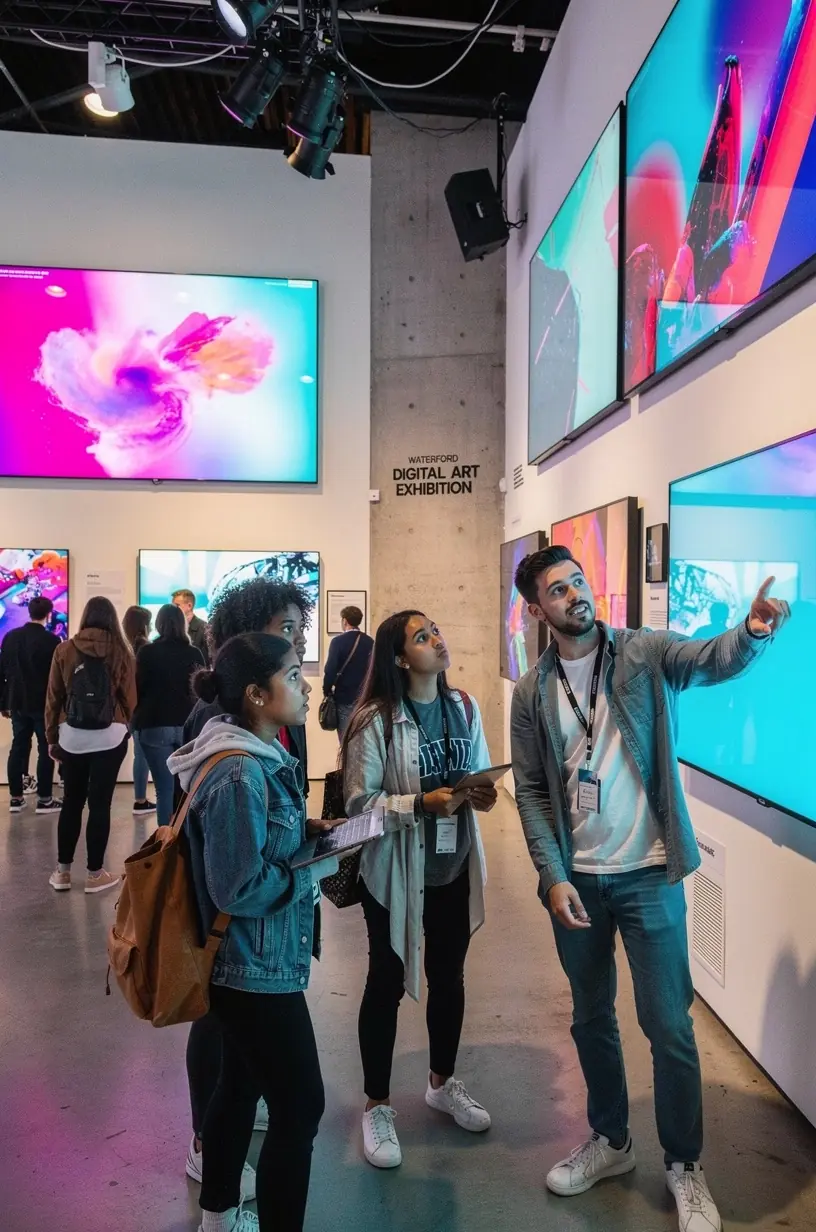
"A successful exhibition is one that not only displays art but also engages the viewer's senses and emotions." - Art Curation Expert
Step 1: Define Your Theme
The first step in organizing a thematic exhibition is to clearly define its theme. This may stem from a specific art movement, a particular artist’s body of work, or a broader concept that connects various pieces. Experts recommend brainstorming ideas and considering how they align with current trends and audience interests.
Consider the Following Questions:
- What message do you want to convey through this exhibition?
- Who is your target audience, and what themes are they likely to engage with?
- How does this theme relate to the artworks you have access to?
Step 2: Curate Your Collection
Once the theme is established, the next step is to curate a collection of artworks that align with it. This process can take time—typically a few weeks—especially if sourcing works from multiple collectors or artists. Effective curation involves selecting pieces that not only fit the theme but also complement each other visually and conceptually.
Key Curation Tips:
- Evaluate each piece based on its relevance to the theme.
- Consider the layout and flow of the exhibition space.
- Involve artists or collectors in the selection process where possible, as their insights can enhance the exhibition.
Step 3: Design the Exhibition Space
The physical arrangement of the exhibition space plays a crucial role in how visitors experience the artworks. Research indicates that thoughtful spatial design can significantly affect engagement levels. This includes how artworks are positioned, the lighting used, and the overall aesthetic of the environment.
Design Considerations:
- Use lighting to highlight key pieces and create ambiance.
- Ensure that the layout allows for a natural flow from one piece to the next.
- Incorporate interactive elements if suitable, such as guided tours or workshops, which can deepen visitor engagement.
Step 4: Promote Your Exhibition
Effective promotion is essential for attracting visitors to your exhibition. Industry standards suggest utilizing a mix of online and offline marketing strategies. Many galleries report that social media campaigns, press releases, and partnerships with local organizations can enhance visibility.
Promotion Strategies:
- Create visually appealing promotional materials that reflect the exhibition's theme.
- Engage with local art communities through social media platforms and art events.
- Consider hosting a preview event for collectors and media to build early excitement.
Step 5: Evaluate the Exhibition's Success
After the exhibition concludes, it's important to assess its impact. Gathering feedback from attendees and examining attendance numbers can provide valuable insights. Many gallery owners report that this evaluation process typically informs future exhibitions and helps refine their approach.
Key Evaluation Metrics:
- Visitor feedback and survey results.
- Sales figures and collector interest during the exhibition.
- Media coverage and social media engagement metrics.
Conclusion
Creating a thematic exhibition is a multifaceted process that involves careful planning, curation, and promotion. By following these steps, gallery owners can create an engaging experience that resonates with audiences and enhances their appreciation of art. Remember, while the logistics may require significant effort, the potential rewards in terms of audience engagement and collector interest can be substantial.
Learn More