How to Evaluate Art for Your Collection
Building an art collection can be an enriching and rewarding endeavor. However, evaluating art requires a careful approach to ensure that your investments align with your aesthetic preferences and potential value. This article outlines an effective methodology for assessing artworks, informed by expert recommendations and industry best practices.
Understanding the Basics of Art Evaluation
Evaluating art involves several critical components, typically focusing on elements such as authenticity, provenance, and artistic merit. According to industry experts, these factors can significantly influence both the aesthetic and monetary value of a piece.

"Understanding the artist's background and the context of their work is essential in assessing its value." - Art Market Analyst
Key Factors to Consider
- Authenticity: Verify that the artwork is genuine and not a reproduction. Experts often recommend acquiring certificates of authenticity where possible.
- Provenance: Research the history of ownership and exhibition for the artwork. This not only adds value but can also provide insight into the piece's significance.
- Artistic Merit: Evaluating the technical skill, creativity, and emotional impact of the work is crucial. Many collectors emphasize the importance of personal resonance with the piece.
The Evaluation Process
When considering a piece for your collection, follow these steps:
- Do Your Research: Take time to explore the artist's background and their previous works. Resources such as books, interviews, and reputable galleries can provide valuable insights.
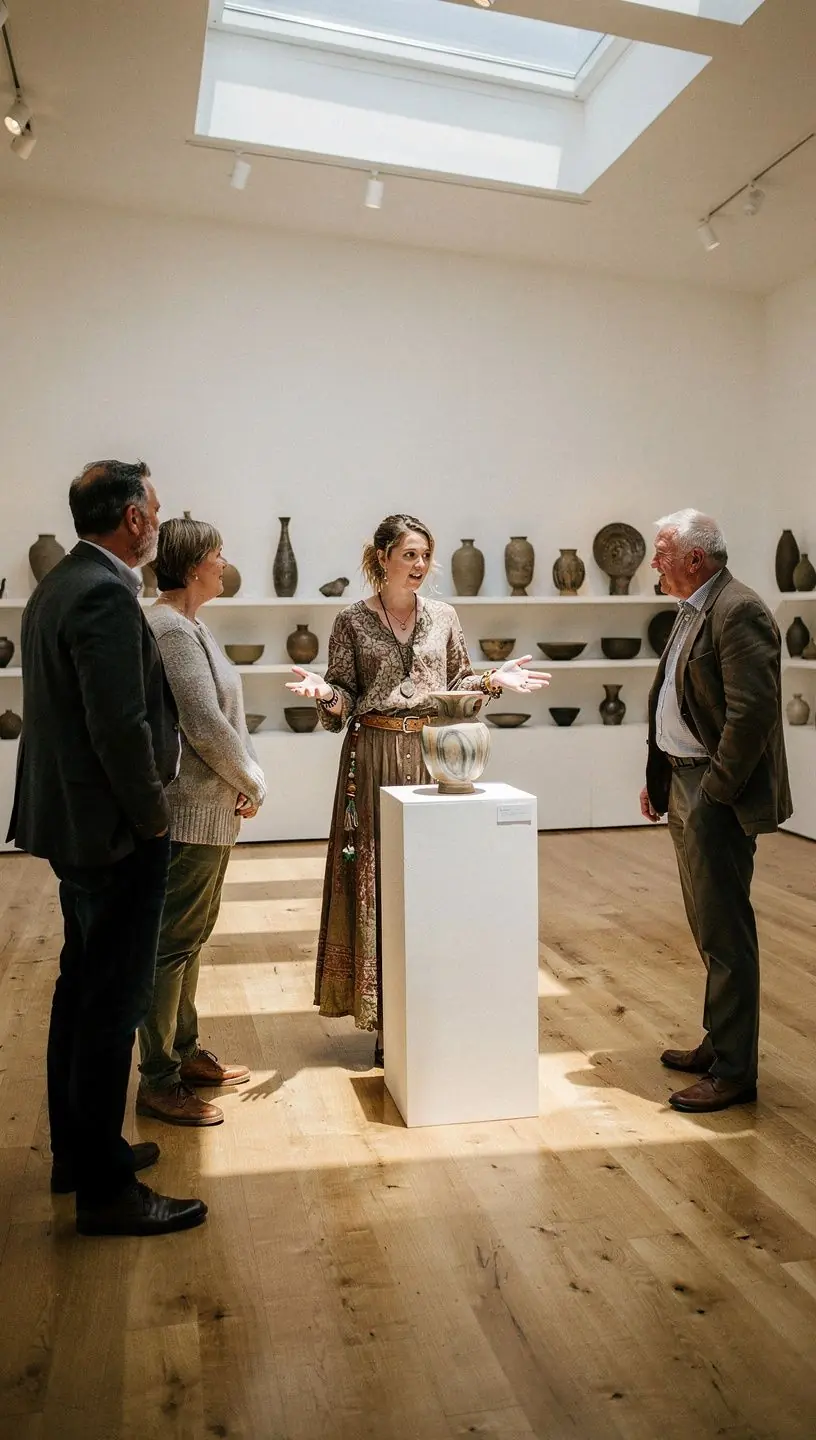
- Visit Exhibitions: Engaging with artworks in person allows you to observe details that photos may not capture. Pay attention to how the piece interacts with its surroundings.
- Consult Experts: Seeking advice from art consultants or appraisers can provide an objective perspective on the artwork's value and relevance in the current market.
Acknowledging Limitations
While these steps can facilitate a more informed evaluation, it is important to recognize that assessing art typically requires a significant time commitment and a willingness to learn. For instance, becoming familiar with art history and market trends may take several months of dedicated study.
Conclusion
Evaluating art for your collection can be a fulfilling experience when approached with due diligence and an open mind. By focusing on authenticity, provenance, and artistic merit, and following a structured evaluation process, you can cultivate a collection that reflects your personal taste while also holding potential value. Remember, the journey into the art world is often as significant as the pieces you choose to invest in.
Learn More